
Interview with Diann Thomas Tate
Description: Diann Thomas Tate attended Olive Hill High School for three years and was transferred to Morganton High School her senior year due to desegregation and Olive Hill's closure. Her brother, Eugene Thomas, was one of the first Black students to graduate from Morganton High School in 1965. Tate describes the sadness and fear her and her classmates felt upon learning they would not graduate from Olive Hill and they would be sent to separate, desegregated high schools throughout the county. Tate's mother, Laura Thomas, was one of the West Concord Mothers. She worked for the superintendent and advocated for her son to attend Morganton High School in 1964. Tate describes how students dropped out due to desegregation and the impact of the loss of Black teachers. She states, "The teachers we had at Olive Hill were not just teachers, but they were people that lived in our communities." Tate talks about the differences in quality of resources like textbooks, uniforms, and libraries. She recalls taking part in sit-ins and protests with the NAACP advocating for desegregation of the Collett Street Recreation Center.
Date: 2024-11-09 Location: Morganton, North Carolina
Interviewer: Cady Barlow
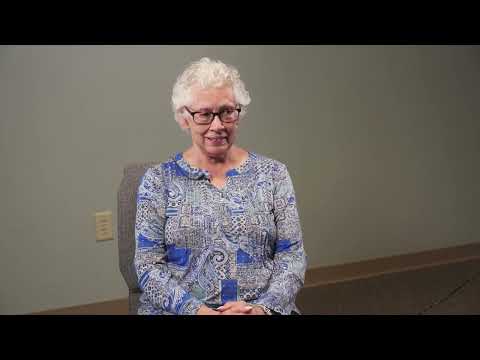
Cady Barlow: Hi, and thank you for coming to share your story with us today as part of the Children of the Struggle Oral history collection. We are at New Day Christian Church in Morganton, North Carolina on Saturday, November 9th, 2024, and we are talking with Diann Thomas Tate. My name is Cady and I'll be your primary interviewer. We also have in the room Alex and Reagan. We are all students at Appalachian State University, and we're conducting these interviews as part of a class project. We have a standard set of 22 questions that we likely will not get all the way through, but uh, you can share with us what you would like to. If there's any question you prefer not to answer, we'll be happy to move on to another one. Again, thank you so much for your participation. Alright. To start, what is your name now and did you have a different name when you were in school?
Diann Thomas Tate: My name now is Diann Thomas Tate and my name while I was in school was Diann Thomas.
Cady Barlow: Alright. What school did you attend? Uh, during- er, before desegregation?
Diann Thomas Tate: I attended Olive Hill High School.
Cady Barlow: Alright, and how old were you when your school was integrated?
Diann Thomas Tate: Uh, I was going, uh, I was gonna be a senior.
Cady Barlow: Alright
Diann Thomas Tate: So I was 17.
Cady Barlow: What was it like being, uh, in Burke County and experiencing desegregation for you?
Diann Thomas Tate: Well, I didn't, um, it didn't bother me as much because I have a, I had a brother that went, went to, was, um, the first black to graduate, um, from Morganton High. And he went the year, um, before they desegregated. So, and he went there because he wasn't getting enough playing time and he played football, basketball, and baseball. And he was a straight A student, so he wanted to go. And then my mom, um, wanted to give him time- some more time and to play and all and give him an opportunity to do that. So, um, she actually got him into Morganton High before, uh, we had to go and I had, um, him and two other siblings, um, to, um, be there at the same time.
Cady Barlow: All right. So you said that your brother participated in sports. Were there any extracurriculars that you were in, that you participated in?
Diann Thomas Tate: Um, I was, before I went to Morganton High, um, I was a member of the Honor Society and I was the president of the New Homemakers of America. Uh, I was a, a library student aid, um, and then some other activities. Not sports and not music.
Cady Barlow: Were there any black students that were also in those extracurriculars with you?
Diann Thomas Tate: Yes, there's quite a few in, um, at Olive Hill. Um, quite a few. Uh, they had, they had kinda large groups that we in all those, all three of those. Mm-Hmm.
Cady Barlow:
Diann Thomas Tate: Yeah, and then I, I knew a lot of them, um, in elementary school. Went to an elementary school that was, um, through the eighth grade. And so a lot of 'em went to the same high school that I went to. And then, uh, um, when we went into Mor-, into Morganton High, um, I lived in Morganton, so I went to Morganton and then the classmates that I had that lived in Valdese, they went to Valdese High and the ones that were in Glen Alpine, they went to Glen Alpine High. And then, um, there was Oak Hill High that, uh, so they, they kind of, once we went into integrated schools and see I was a senior, so they went to all the different schools. So, um, we didn't have a lot, once we integrated the schools, uh, in Morganton High, we didn't have nearly as many black students in the, in the class.
Cady Barlow: So you said that they were going to like the respective high schools based on where they were. How far would you say of a walk or a drive was it for you to get to your high school?
Diann Thomas Tate: Well, it was, um, across town, so I, I'd say maybe three miles. But see, the bus didn't come to where we were because it was in, it was in the city limits. So my dad- and like I said, there were four of us- and my dad, um, wasn't able to take us back and forth to school and my mom didn't drive at that time. And so, um, he hired a, um, local cab driver, uh, to pick us up in the mornings and take us to school.
Cady Barlow: Alright. So when you found out you were going to be going to a desegregated school, how did you feel?
Diann Thomas Tate: Sad. Um, I had been, I had been, um, in these teacher's classes, um, for three years. And I knew everybody in the school because it was a small school, um, and relationships that, that we, that we had, and they had to go to other schools and, and fear because we didn't have any idea how we were gonna be treated. And so it was, um, and I, I didn't, I didn't fear it as much because my brother had been accepted, um, academically and in, um, sports, in sports, so, but I, I wasn't, I wasn't as afraid of it as, as some of my classmates.
Alex Hopper: Um, did you consider it a significant academic interruption? Like did you feel that in classes you were struggling more after the switch? Just because of the drastic change in environment?
Diann Thomas Tate: When I, a couple of teachers in, at Morganton High, uh, I had, I had an English teacher, um, and she had a speech impediment and I could not understand, you know, I struggled, I struggled with that because, you know, um, and then I, I asked for extra help. Um, I was a fairly good student myself, you know, going in. Um, but the other, the only other, uh, class I struggled with was chemistry. I did pretty good when they were doing the, um, periodic table, uh, and all. But after that, after that, uh, it just went downhill. So I, I didn't have a, I didn't have a study hall that year, and so I, I, I dropped chemistry and got a study hall. Mm-Hmm,
Cady Barlow: All right. So you talked about your brother's experiences with integration. How did other people around you feel about it? Like your parents? What were their viewpoints?
Diann Thomas Tate: Well, that's the reason why he was one of the first male students, uh, because he wasn't getting enough playing time with those sports. And so my mom worked for the superintendent of the, uh, Morganton City schools. And so when she went to work, she was, you know, tell, telling him that, that she didn't know what to do, you know, he needed to be in another school, and it was only Morganton High 'cause you know, we live in a small community. So, um, she asked him what she needed to do, and so she went before the, um, Morganton School Board and asked, um, the year before integration. And, um, so they, they awarded him, gave him the to, uh, letter that he could go to and gave him permission to go. And he had, um, he had, at least he was, he was the only senior male, and then I think they had a, uh, sophomore maybe. And then he, there was two girls that he had been in school with at Olive Hill that were in his, in his senior class. So he wasn't really alone alone except, you know, he was the only male.
Cady Barlow: Uh, with your mother being superintendent, did she aid in integration at all?
Diann Thomas Tate: No, she wasn't superintendent. She worked for.
Cady Barlow: Oh, sorry.
Diann Thomas Tate: Yeah, she worked for, um, uh, superintendent of the schools. Um, but she was very active in PTA and, and all that. Mm-Hmm,
Cady Barlow: Uh, what would you say the racial makeup of your classes looked like?
Diann Thomas Tate: We had maybe 200 students, seniors, maybe not that many. Uh, and we had maybe 30 or 35. We lost, we lost quite, we lost some students when we, they integrated because, um, they didn't feel comfortable with going. And so, uh, some of 'em quit and then some of them dropped out and went to GED classes and
Alex Hopper: Yeah.
Diann Thomas Tate: Mm-Hmm.
Alex Hopper:
Diann Thomas Tate: I didn't feel that way in. I came up in a integrated community neighborhood, um, and I was very comfortable, uh, with, with, uh, other races. Um, and me, myself, you can look at me and tell that I'm not completely black. I've got Indian and white and black, and, uh, so I wasn't really, um, the only time I felt intimidated, um, was not necessarily in the classroom, but when we changed classes, the, the bullies and the girls that were twice my size, um, they would go arm in arm, you know, down the hall, and you'd almost have to just get in up in the locker, to avoid 'em. And, uh, of course they didn't do that a few times, um, before, you know, we reported them. And, uh,
Alex Hopper: So did you believe in instances of these things that the administration was on your s-, at least somewhat on your side when it came to two instances of active
Diann Thomas Tate: Trying to, trying to, trying to make us feel comfortable in the, in the integration. Um, we didn't have but one black teacher, and that was another thing that was so sad. The teachers that we had, uh, they weren't, um, they weren't hired to go into Morganton High. There was just the one, and he was a coach and a math teacher, and I had already had all the math that I needed, so I didn't have, have a class with him. And of course, I didn't do sports, so, um, but they lost their jobs and they had to go into other counties and or, or retire or whatever. Um, but uh, that was another sad thing too, because, um, the teachers that we had at Olive Hill were, were not just teachers, um, but they were, they were people that lived in our communities. And they also, um, didn't just teach us academics, you know, they taught us how to interact with people.
They taught us, um, uh, etiquette. Um, we had to, we had to, our, our fellows every Monday had to wear, uh, ties, shirts and ties because they were trying to, to, uh, have them to be, uh, respectable and be able to, to be, uh, feel good about themselves. And there was a lot of, a lot of that going on. And, and then when we had deaths in the family, the teachers would show up and, and be, you know, um, concerning with us and all that. But we didn't have that. It may have happened after I left, but see, I just had that one year at Morganton High.
Alex Hopper: So, so nowadays, usually teachers are honest about college, college, college in high school. Um, was there any push like that towards students in Morganton High? And if so, was there any discrepancy between black and white students on that front?
Diann Thomas Tate: Um, there weren't, there wasn't, they, they had school counselors, but I didn't have the opportunity to, to, um, use one. Um, my parents did not, were not able to finish high school. Um, they married young and, uh, had, uh, had had seven children. And so, but they knew the importance of getting the co- getting the education. And my dad always said, I'm gonna give you a, make sure that you get a high school education. He said, but the college gon' have to be on you. And so, um, and at the time that, uh, I was graduating from high school, they were building Western Piedmont, and they had it finished by the time I had graduated. And that was my only opportunity to go to college. But I don't remember any of the teachers. Um, now at Olive Hill, they, they were doing, they were doing a lot of preparation for college, um, and academics was not the only, you know, and they would try to write letters for 'em and encourage 'em to go. And some of 'em, they went to their alma mater's and they were able to get scholarships for 'em and all. But, um, I didn't see a lot of that going on in, in my senior year. And of course, I, you know, all, all this relates to the year at '65, '66 that I was there.
Cady Barlow: Did you continue on to college?
Diann Thomas Tate: I did. I went to Western Piedmont for, um, and got an associate's degree. And, um, I went to Appalachian. I got, well, I had, I married and I had a, a daughter and my husband was a disabled veteran and I didn't have the opportunity to go anywhere else, so I drove back and forth to Appalachian part-time for five years till I finished in 1980.
Cady Barlow: Alright. Going back to your, uh, year during integration, how would you say the relationships were between white and black students?
Diann Thomas Tate: There were problems. Um, as you could, you could probably know that there's a, I don't think, uh, I think, uh, some of the, uh, black students didn't want to go and some of the white ones didn't want us there, so it was, it was some name calling. Um, but I think they were able to work it out, you know, I don't know any real bad situations, you know, but I'll just say this, I was there for the one year, I kept my head down, I k-, in a book in, in a book, and I was ma-, I was making sure that I wasn't gonna spend with the one year there
Cady Barlow: What about relationships between faculty and students with different races?
Diann Thomas Tate: Um, there were two, there were two or three teachers that, um, that would, that would go out of their way, you know, to speak and to, um, you know, kind of encourage us or whatever, you know. Um, but for the majority, I don't think, um, that they had too many teachers that I don't, I don't think they knew what to do either, you know what I'm saying? And we had a Russian principal, Mr. Shebout, he was big, he was baldheaded and he was, he was, uh, had his cheeks was always red. And we just didn't know. I didn't know I, I wanted to just run by his office. I didn't want to be, I, I thought, that's not a place I'm going to be in
Cady Barlow: What kind of resources were, uh, provided for you prior to integration? And then did that differ after integration?
Diann Thomas Tate: We didn't know what to expect. The teachers didn't know what to tell us to expect. Um, they just encouraged us to go and do our best and, um, and do what we had to do and, and, uh, to do it in a way that, that they would be proud of us. And it didn't change it, it afterwards, you know, I didn't, didn't really have, like I said, I was just there
Alex Hopper: Do you remember perhaps before desegregation, if your school got, frequently got what could be considered like secondhand items?
Diann Thomas Tate: Oh, yeah.
Alex Hopper: Yeah, and then did that change when you went to Morganton High?
Diann Thomas Tate: We noticed it more because of, you know, we had secondhand books, we had secondhand band instruments, we had secondhand band, um, uniforms, we had secondhand equipment for sports. Um, you, it was just so much of it that was secondhand. And, um, you know, you might get a book and, and have five or six names in it where, you know, where we went to, uh, when we went to, uh, Morganton High, you might have had a couple names in it or whatever. Um, the, um, and of course our, our, our, um, libraries were, there were a difference in, in the libraries, uh, and just a small one room. Um, and then they had a couple of rooms, I think that, you know, and then they used the Morganton, Morganton Public Library as well too.
Cady Barlow: Do you believe that your relationships were affected by integration, like with friends, family, in your community?
Diann Thomas Tate: No, I don't think so. Um, like I said, we, we grew up, um, and my mom and dad didn't show partiality. Um, my dad worked for the city of Morganton for 50 years in the water department. Um, my mom, uh, worked in, uh, people's houses, did the, um, cleaning and tending the children and all until my last two brothers were born. Um, and, uh, she worked in the school system, uh, as a, uh, custodian for, um, several years. And, you know, they just taught us to get along, you know, it wouldn't, you know, they, they would be upset if we, we knew how upset they would be if, if we didn't try to do the best we could at, at, at relationships and all. And that, and that wasn't just at, at Morganton High, but it was at, just in general, you know. And they taught us to treat people like we wanted to be treated.
Cady Barlow: You mentioned that some of your friends had to leave with the process of integration. Were you able to make new friends with the incoming students?
Diann Thomas Tate: Um, I had a few. Um, but I don't, I don't, uh, I don't recall. I remember a lot of the names and all, but, um, uh, several of them went to the college and I knew more of them there than I did at Morganton High. Um, and I think, I think it was, they planned all the senior activities before we ever got there, and they picked out all their superlatives and everything was just already figured out. And, you know, we did get, we did get pictures in the yearbook, but besides that, they'd already ordered their rings, all of that. So,
Alex Hopper: So basically you kind of just got tossed in, in like the middle of the year?
Diann Thomas Tate: Well, it wasn't the middle of the year. It was the beginning of the year, but they had already I, I don't know how that worked, but they, they already had it planned. And, and, uh, yeah.
Cady Barlow: Is there any specific figure that stands out for you during this time period, such as a parent or a leader in your community?
Diann Thomas Tate: Uh, we went to church a lot and I had a pastor, um, that was, um, the president of the NAACP while I was in high school, and he was very understanding about it, and you could talk to him about a lot of things. And I think I shared more with him about what I was going through than I did um, my parents. And um, also, I date, I da-, I started dating a young man. One of my, uh, uh, he was a year ahead of me, so he didn't go into the, he was the last one that graduated from Olive Hill and I dated him and, and I, I cried on his shoulder a whole lot.
Cady Barlow: Were there any experiences with discrimination that you either experienced or observed outside of school in your community?
Diann Thomas Tate: Well, I was a member of the NAACP while, while my, um, pastor was the president and we, um, marched on, um, the local recreation center, um, and wanted it to be opened up and integrated. And we, we worked on that. Um, and then we did sit-ins at, at Woolworths. And, um, there were a lot of places in Morganton that, especially eating places, that, um, but see, we didn't frequent eating places as much. It was a, it was a treat for us to be able to eat out because I mean, you know, there's seven of us, my mom and dad and my grandmother, so we, we more or less fixed food at home.
Alex Hopper: Did there ever feel like that there was sort of a social preservation of segregation? So like people, despite not being an actual barrier in a place, they may stay separated anyways just because of familiarity, that sort of thing?
Diann Thomas Tate: Yes. Yes. That, that was, um, you know, like at lunch or assemblies, you know, you, you could look out and, and see that, you know, here, here's the, it, it wasn't that they had a section, but, you know, and, and that, and I think that's just human nature to do that, um, to be around people that, that you know and feel comfortable with. And, um, I think aft-, I think after, uh, I had a sister that was the grade behind me and then I had a brother that was the grade behind her. And I think that they were able to, um, participate in quite a few things, the, the clubs and all. It was just, it was just that, you know, we didn't, we didn't have that 'cause we were the first class to, to totally integrate.
Cady Barlow: So would you say that your friend group or the people that you most commonly associated with, was it a more integrated group?
Diann Thomas Tate: No. No, it was just, um, and you know, we went to football games, all the games and all, we all sat together and whatever. And it wasn't just my class, it was all the different classes.
Cady Barlow: Alright. I believe that answers all of our questions. Do you have any specific stories or experiences that you'd like to share with us that weren't covered?
Diann Thomas Tate: Um, I don't think so. Um, like I said,
Cady Barlow: Well, thank you so much for your time.
Diann Thomas Tate: Thank you. I appreciate that.